



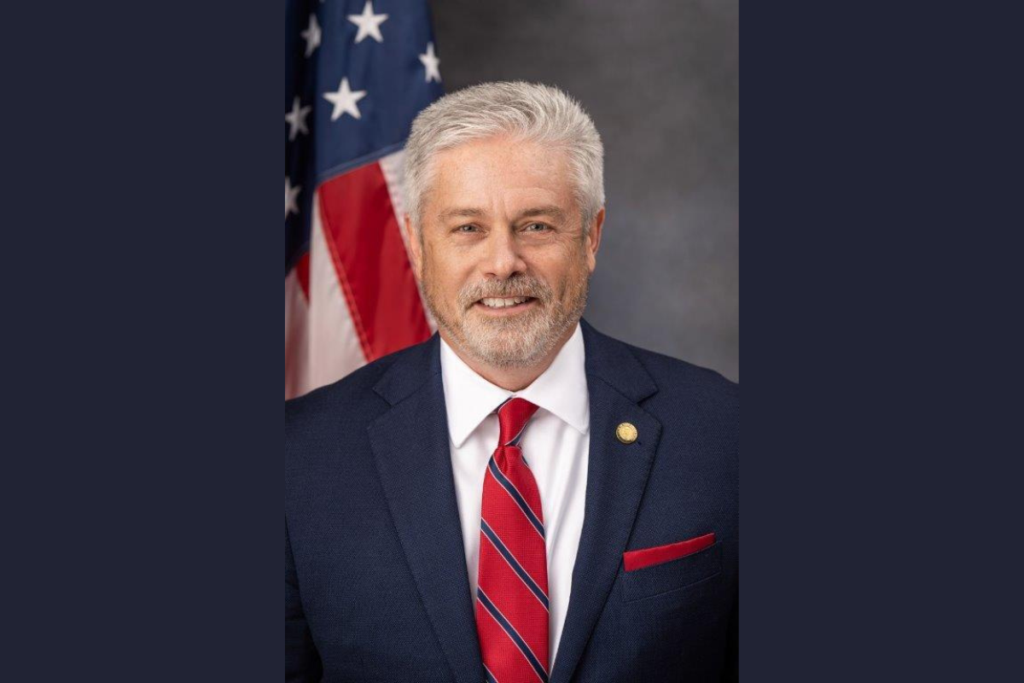
Official photo
Key Points
Last week, after legislators approved Governor Ron DeSantis’ congressional redistricting draft map proposal (83-28 in the House and 21-17 in the Senate) during a special session, the governor signed off on the bills, officially putting the new map into effect for the 2026 election cycle.
At the time of publication of this column, legislators will have completed the first of three weeks of the second special session, which is focused on passing the state budget.
At the end of April, leadership in the legislative branch had announced that both the House and Senate had reached an agreement on funding allocations, which is required in order to combine the funding proposals from each chamber into a final budget to pass.
The following joint allocations agreed upon for the General Revenue Fund for fiscal year 2026-2027 were shared by category with legislators prior to the convening of the special session: $476 million for administered funds and statewide issues; $560 million for transportation, tourism and economic development; $568 million for state administration/general government; $1.38 billion for agriculture and natural resources/agriculture and environment; $6.68 billion for higher education; $6.96 billion for justice/criminal and civil justice; $16.2 billion for pre K-education; and $19.2 billion for health care/health and human services.
The joint budget proposal (in April) totaled $51.98 billion. House Speaker Daniel Perez had announced in a memo that he was “pleased…for the second consecutive year, our budget will reduce overall government spending while responsibly directing taxpayer dollars toward essential priorities.”
The purpose of the first week of this second special session was to commence budget conferencing. During the budget conferencing period, legislators are assigned to one or more combined committees (with House and Senate members) according to each budget category to focus on negotiating and resolving remaining budget items that are in dispute.
The goal for budget conferencing this week (and also possibly next week) was to resolve all specific remaining category matters and bump up to the larger budget conference committee. Chaired by the budget chief, the larger budget conference committee oversees the budget as a whole and tailors its focus on broader unresolved budget items.
Leadership informed members that they should expect to return to Tallahassee after Memorial Day to vote on the final budget negotiations. I plan to publish another column during Memorial Day week providing an update on the Legislature’s progress with negotiations.
I am hopeful that the next three weeks of the special session will be productive, efficient, and that we can all work together in unity to balance a budget that best serves our state and residents.
Author
Suggested Articles
No related articles found.