



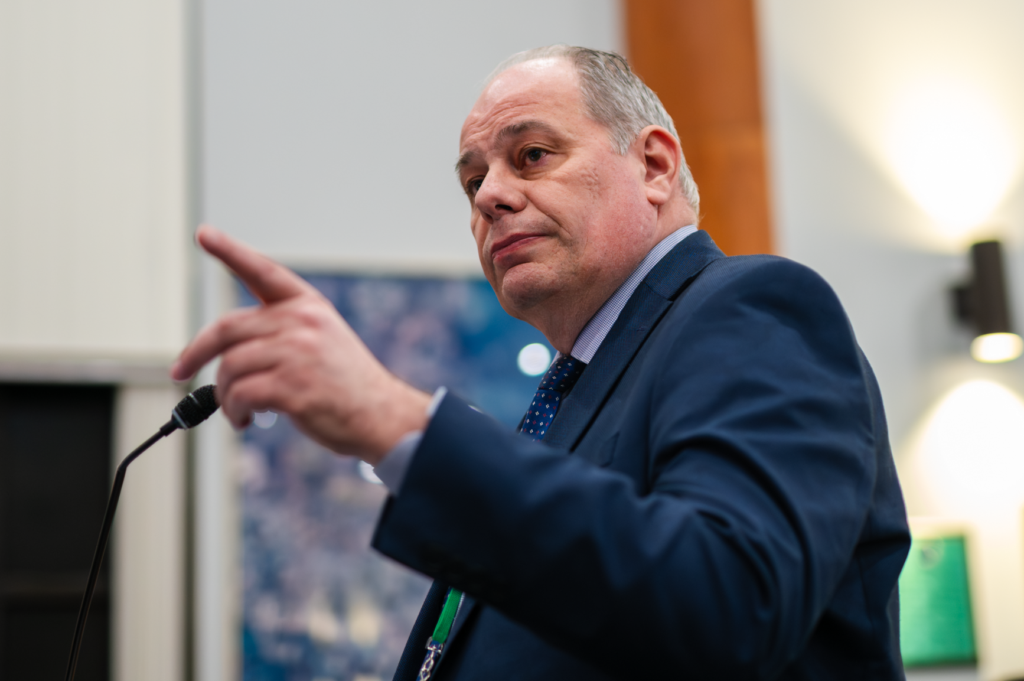
Photo by Dana O'Connor
Key Points
- The city of Apopka has issued a notice to begin construction on the Kelly Park Road widening project, spanning 1.5 miles with four lanes and updated infrastructure.
- The project is expected to take up to two years, aiming for completion by Thanksgiving 2027, and is projected to enhance safety and reduce congestion.
- The estimated cost is between $26 million and $27 million.
The city of Apopka announced its notice to begin construction on the Kelly Park Road widening project at the City Commission meeting Wednesday night.
“This is more than just a roadway project — it is a unifying, non-partisan achievement that every resident of Apopka can take pride in,” said Vladimir Simonovski, city of Apopka public works director and city engineer. “Together, we are delivering a modern, 21st-century transportation system that will enhance safety, reduce congestion, and support the continued growth of our city for generations to come.”
The widened Kelly Park Road will include four travel lanes, a planted median, underground power lines, sidewalks, and updated traffic signals and lighting. The widening will span about 1.5 miles of roadway, starting west of S.R. 429 at the Waypointe Boulevard intersection and continuing eastward to just past the Plymouth Sorrento Road intersection.
“This improved corridor is seamlessly integrated with the recently completed Kelly Park Interchange and the 429 delta, positioning Apopka as a forward-thinking community prepared for future growth,” Simonovski said.
The Kelly Park Road widening project has been in the works for two years, according to Simonovski. He predicts the project will bring more local jobs, impact fees, and property taxes to enhance local schools and first responder services.
Wyld Oaks developer Joseph Beninati’s company DCP will serve as the “designated constructing company.” DCP has agreed to share its audits and tax returns and provide updates to the City Commission.
RCS Construction provided the city a “fixed-price contract that minimizes the risk of cost acceleration, except in cases where the project scope is modified,” Simonovski said. Newkirk Engineering and Kimley-Horn & Associates will independently oversee the project, with DCP covering all of Kimley-Horn’s fees.
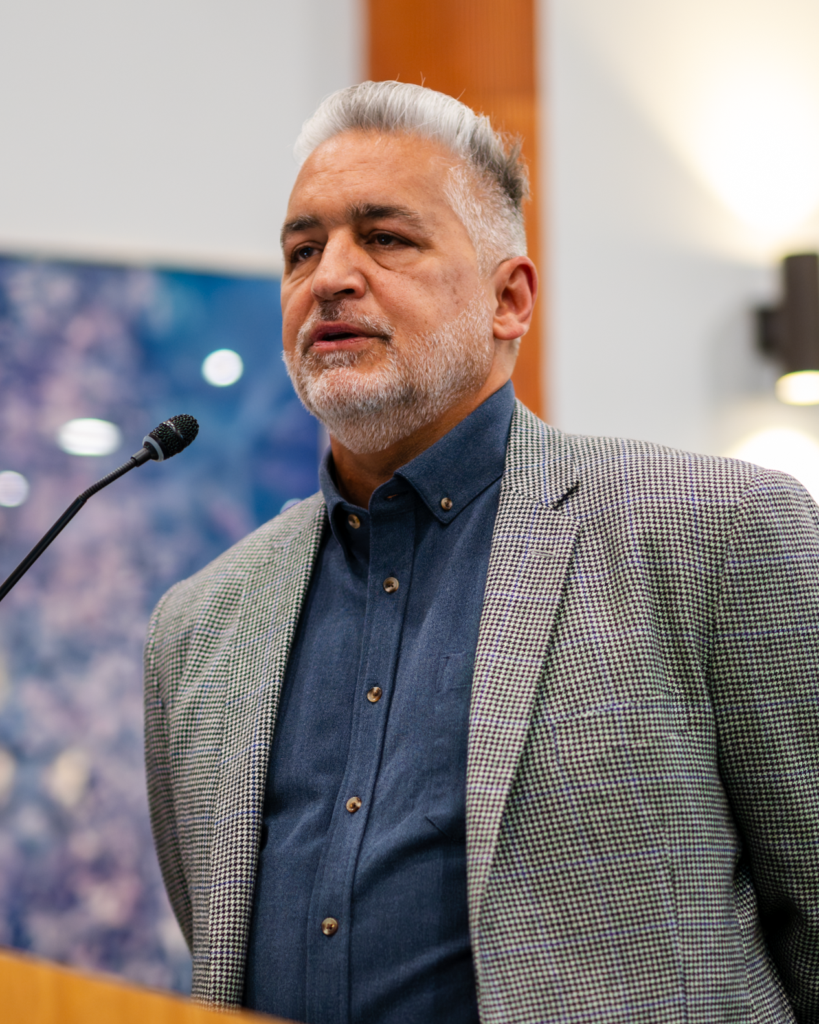
Beninati estimated the project would take up to two years to complete.
“We would hope to be putting on silt fences now in the next few weeks, and we would hope that by Thanksgiving of ‘27 that we would be complete on the project,” Beninati said.
Commissioner Nick Nesta raised concern about whether the project would move forward within the planned timeline, since Simonovskimentioned that only two of the three co-developers signed a memorandum of understanding.
“Are we concerned about that third party?” Nesta said. “Is that gonna cause any delays with that one party maybe not signing right now?”
Beninati explained the third party’s involvement “predated” that of his own and consisted of roadway design.
“The party is interested in there being excess funds in the account to be able to return cash to him for his credits, and we also, on a pro rata basis, would receive excess funds as well,” Beninati said. “But this is the city’s road. It’s the city’s money, and we’ve given out $15 million in return. We receive those credits.”
City attorney Cliff Shepard then estimated the cost to be between $26 million and $27 million.
“The money that we were going to get from the co-developers is already in the account and our certain amount of impact fees, which are there to be enhancements to the code,” Shepard said. “Once the road starts getting constructed, a certain amount of inertia builds, because then development can come online and people can make money in a whole lot of other ways that they can’t until that happens.So it would be my hope — no guarantee — that that would be the ultimate way this thing will resolve.”
Great job, Sarah.
Thank you so much!