



Metro Creative Graphics
Key Points
With primary election day less than a week away, The Apopka Chief asked the seven Ninth Judicial Circuit Court candidates to share their backgrounds, most formative cases, and reasons for seeking election. Read the full Q&A below.
CANDIDATE COLOR KEY
Group 1: Temika Hampton-Johnson, partner at Hampton Law | Charles Hart, attorney and small business owner | Mikaela Nix, Ninth Circuit Court judge
Group 2: Christina Arguelles, attorney | Christie Lou Mitchell, attorney at The CLM Law Firm
Group 31: Steve Kerestes, assistant state attorney | Kamilah Perry, general counsel for the state attorney’s office
What in your professional and community backgrounds makes you the best candidate?
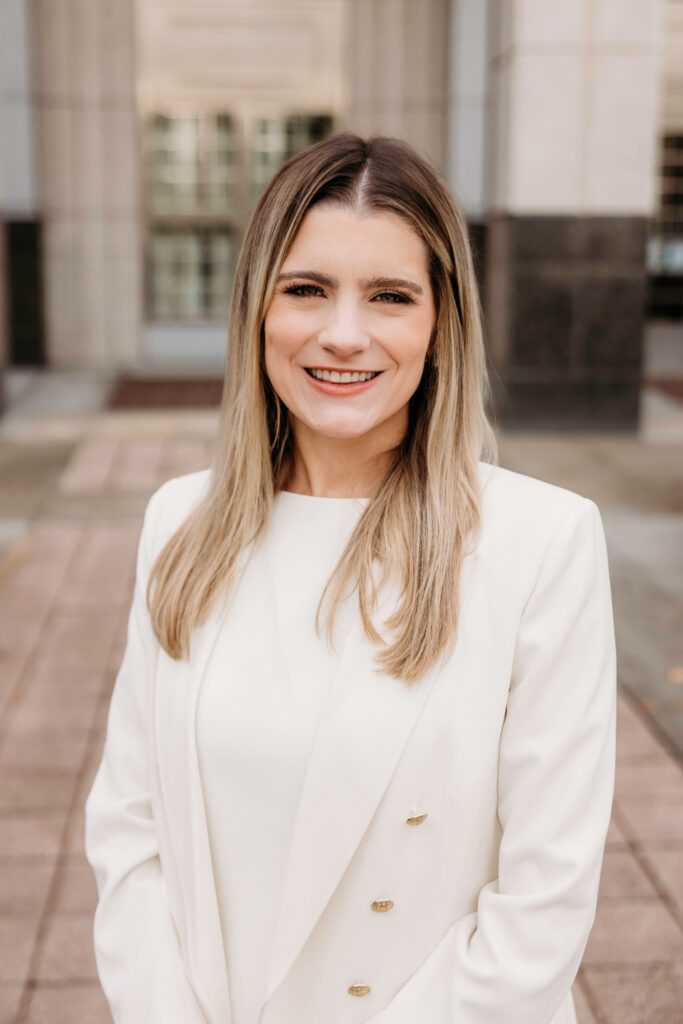
ARGUELLES
I bring more than a decade of broad trial experience across Florida, handling complex cases involving families, businesses, and individuals. As a working mother and active community volunteer, I’ve built a reputation for fairness, preparation, professionalism, and treating everyone with dignity and respect.
HAMPTON-JOHNSON
My background as a military police officer and experienced attorney brings unmatched real-world perspective to the bench. As a former assistant public defender, labor attorney, certified mediator, and practicing family lawyer, I have served people from every walk of life. These experiences have prepared me to bring fairness, integrity, and compassion to the bench.
HART
I bring 18 years of legal experience as an attorney, prosecutor, small-business owner, and Florida Supreme Court Certified Family Law Mediator. My community leadership and broad courtroom experience have taught me to listen, treat everyone with dignity and respect, and apply the law fairly, impartially, and consistently without fear or favor.
KERESTES
Experience makes me the candidate to vote for. Whether it be the nearly 200 cases I have taken to trial, the years of work life I have spent in the courtroom, or my seven years of military experience, I have the experience for the job.
LOU MITCHELL
As an Orlando native, wife, mother of four, and small business owner, I’ve served Central Florida as a trial attorney for more than 16 years. I am the only candidate board certified by The Florida Bar in any area of law, with broad litigation experience and proven professional leadership.
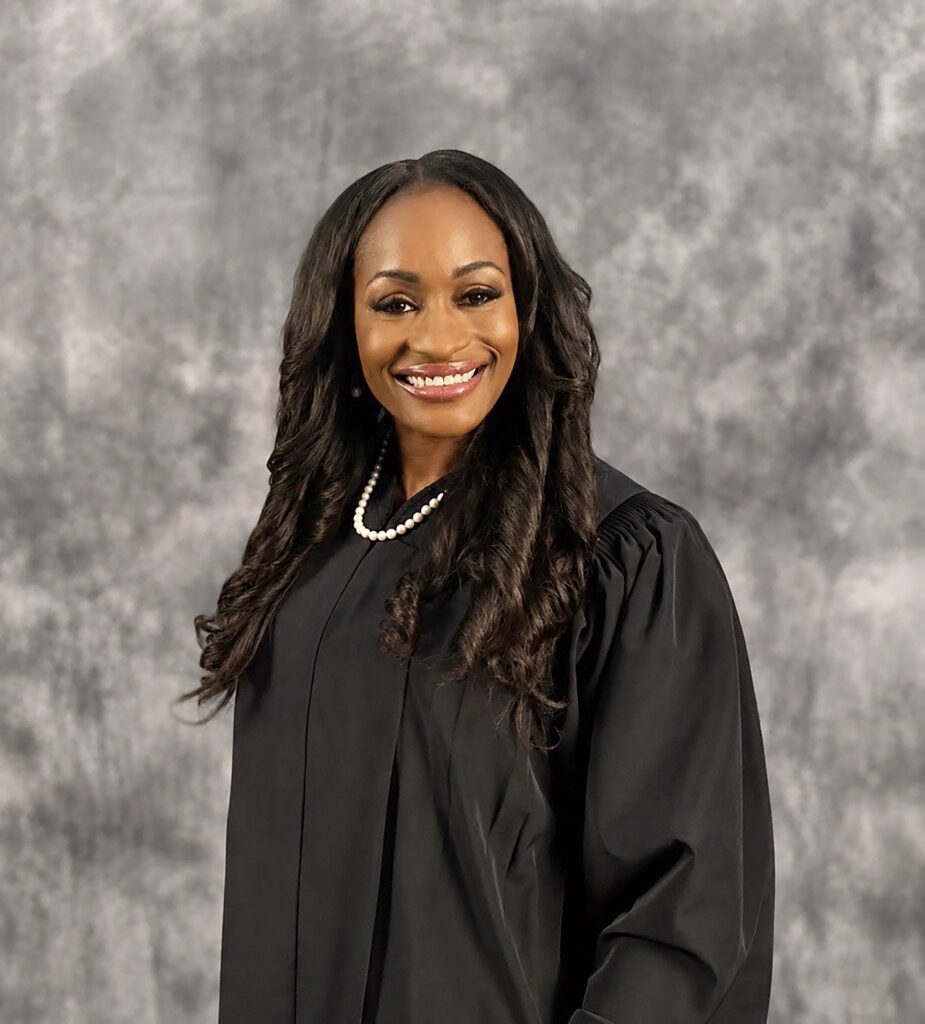
NIX
As a ninth circuit judge for nearly six years, I bring a unique combination of professional experience, character, leadership, and perspective to the bench. I understand how the law operates in practice, having worked with diverse individuals across varied circumstances.
I believe judicial independence is essential to justice and democracy.
PERRY
I have represented Fortune 500 companies as a large firm associate; I have represented individuals and small businesses as a private practice owner; and I have managed justice for victims, witnesses and defendants as the Chief Executive of the 9th Circuit State Attorney’s Office. My 23+ years of litigation experience in virtually every area of the law uniquely qualifies me to be a judge with vast experience.
What prompted you to run for Ninth Judicial Circuit Judge?
ARGUELLES
After more than a decade practicing in courtrooms across Florida, I felt called to serve in a different capacity. Respected retired judges, attorneys, and community leaders encouraged me to run, believing my broad courtroom experience and judicial temperament make this the right time. Becoming a mother strengthened my commitment to public service and my desire to leave our community better than I found it. I am running to ensure every person who enters the courtroom is treated with fairness, dignity, compassion, and respect, and that every case is decided by faithfully applying the law.
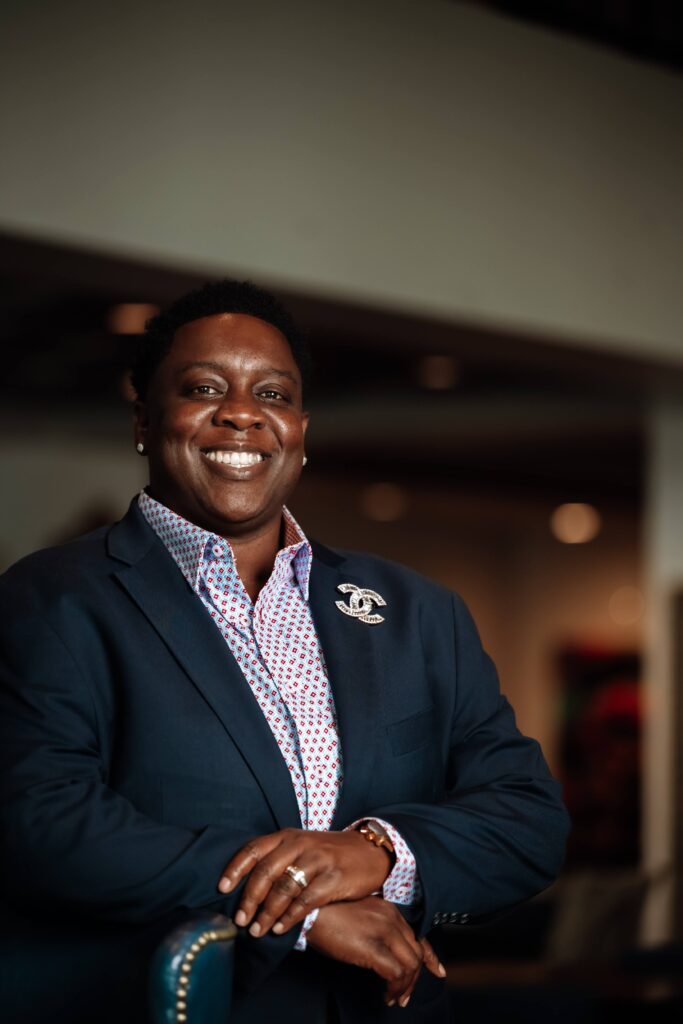
HAMPTON-JOHNSON
I am running because my career has allowed me to see our justice system from many perspectives. I have seen how deeply courtroom decisions affect individuals, families, and communities. Those experiences inspired me to pursue the bench and bring a broad, real-world perspective to the bench. I want to ensure that everyone who enters the courtroom is heard, treated with dignity and respect, and confident that decisions are based on the law and facts, not personal bias. For me, this race is about service and justice with integrity.
HART
After 18 years of practicing law, I have seen firsthand the profound impact judges have on people, families, and our community. I am running because I believe justice requires judges who listen carefully, treat everyone with dignity and respect, and faithfully apply the law as written without fear or favor. I want to bring my courtroom experience, perspective, and commitment to public service to the bench and ensure everyone who enters my courtroom receives a meaningful opportunity to be heard and is treated fairly and impartially.
KERESTES
There has been a lot of turnover in the courts within our circuit recently, due to judges retiring or leaving for other opportunities. I have the experience and temperament to do the job well. Therefore, I offered myself up to the people of Orange and Osceola so that they would have someone with experience on the bench. I have been serving in different capacities since I was 18 years old, when I enlisted with the United States Marine Corps. I have spent 13 years of my 20-year legal career in public service. Public service is more important to me than a large salary.
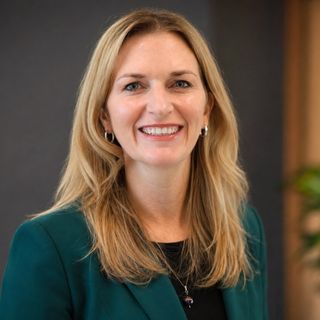
LOU MITCHELL
Orlando is my home. I was raised by a single mother of three, and our family relied on this community in countless ways. Every opportunity I’ve had is because this community invested in me. When several experienced Ninth Circuit judges announced they would not seek reelection, I felt called to step forward and serve. After more than 16 years in the courtroom, I’ve seen firsthand how judicial decisions shape lives, protect rights, and strengthen public confidence in our courts. I believe my experience has prepared me to serve, and our community deserves experienced, prepared, and impartial judges.
NIX
I ran for circuit judge in 2020 as I saw a need for more diversity on the bench. As a trial lawyer I was consistently in and out of the courtroom, and I saw very few judges that looked like me or could relate to the experiences that my clients had. A lawyer knows the law and how to apply it. A judge must know not only the law but also people, principles, human nature, and fairness. I am proud to be one of the first African American women to win a contested race in the ninth circuit.
PERRY
I am running because I fear that public trust in the justice system is eroding. I want to be part of rebuilding public confidence because our courts must be a place where every person, regardless of politics, background, income, or circumstance, knows they will be treated with fairness, dignity, and respect. Public trust is the foundation of justice, and when that trust erodes, the entire system suffers.
Of all the cases in which you have practiced law, which one stands out to you as the most formative to your career? Why?
ARGUELLES
One case that profoundly shaped my career involved the wrongful death of an elderly man’s wife. It was a complex, month-long trial, but what I remember most is not the legal issues; it was the human impact. Every day, I sat with my client before court, listening to his stories about his wife and the life they had built together. That experience reinforced that every case represents real people facing some of the most difficult moments of their lives. While the legal issues were challenging, earning my client’s trust and helping him find a measure of justice was the most rewarding part of the case. It reminded me that a good lawyer, and a good judge, must combine preparation and legal knowledge with compassion, patience, and respect for everyone who enters the courtroom.
HAMPTON-JOHNSON
One of the most formative cases of my career came while serving as an assistant public defender, representing a client whose future depended on my ability to advocate effectively while navigating a demanding caseload. That experience reinforced something I have carried throughout my career: every case represents a real person whose life may be profoundly affected by what happens in the courtroom. It taught me the importance of preparation, listening carefully, protecting constitutional rights, and ensuring that every person receives meaningful access to justice regardless of their circumstances. Most importantly, the experience shaped my understanding that justice requires more than knowing the law; it requires patience, sound judgment, fairness, and respect for every person who enters the courtroom.
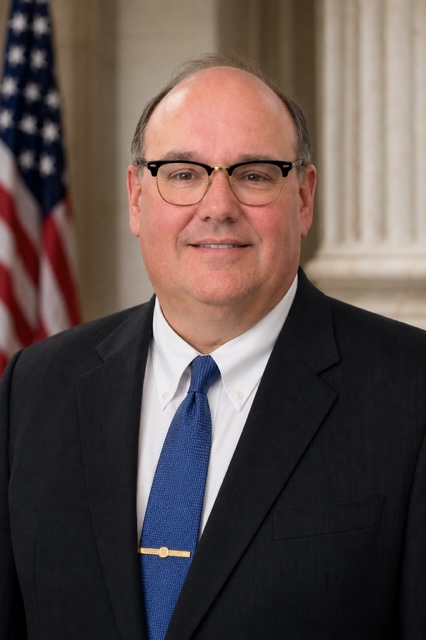
HART
While I must respect my client’s confidentiality, one of the most formative cases of my career involved representing an individual whose freedom and future depended upon the judicial process working as it should. It reinforced for me that every case is profoundly important to the people standing before the court, regardless of how routine it may appear to others.
That experience taught me the importance of preparation, listening carefully, ensuring every person has a meaningful opportunity to be heard, and applying the law fairly and consistently. It also reminded me that judges make decisions affecting real people, families, and futures. I have carried those lessons throughout my career, and they have shaped the kind of judge I aspire to be: prepared, patient, impartial, respectful, and always mindful of the responsibility entrusted to the court and the duty owed to the public.
KERESTES
While in private practice, I was charged with representing someone who had been sentenced to life in prison before he was 18 years of age. The sentence had been overturned before I became involved in the case. After I was retained in the matter, the individual had to be sentenced anew. He had already served more than 23 years in prison when I became his attorney. After all was said and done, my client was released after serving 25 years in prison. He grew up in prison and made many positive changes. He never had a driver’s license, had never been on a computer or had a cell phone when he was taken into custody. He obtained his GED while in jail awaiting his initial trial.
LOU MITCHELL
The most formative case of my career involved representing a firefighter seeking equal timesharing with his daughter. She was 18 monthsold when the case began and three years old by the time it went to trial. At a time when equal timesharing for biological fathers was far less common, the trial judge ruled in my client’s favor. When the mother sought rehearing, the judge did something that has stayed with me: she acknowledged that she could have been wrong and carefully reconsidered her own ruling. Although I appealed her decision granting a new trial and the Fifth District Court of Appeal directed entry of the original judgment, I never forgot the lesson she taught me. A great judge is measured not only by the decisions they make, but by the humility, even temperament, and unwavering commitment to thoughtfully reconsider those decisions while remaining faithful to the law and facts.
NIX
As a lawyer and as a judge, the adoption cases stand out because they represent one of the most powerful things the law can do: create an opportunity for a child to have stability, love, security, and a permanent family. As a lawyer, I understood that adoption is not simply a legal transaction. Behind every petition, every hearing, and every document is a child whose future may be profoundly changed by the decisions made in that courtroom. As a judge, I believe adoption requires both the discipline of applying the law and humanity to understand what is at stake. It reminds me that every case involves real people, real families, and real consequences.
PERRY
I represented a man who had made a mistake as a youth and subsequently served his time. He returned to society by going back to school, obtaining a master’s degree, and contributed to society by doing youth counseling and athletic coaching. One day, after 13 years of coaching at a local high school, he was terminated because the school discovered his prior criminal history. He was devastated and, overnight, was no longer able to provide for his family after decades of substantial employment. I was able to get his job, and his life, back by filing a claim against the employer requiring them to apply the law, which requires employers to ensure that criminal background decisions are based on merit and business necessity only, and not blanket rules that do not consider an employee’s individual circumstances and fitness for the job.
Apopka residents will vote on both county judges and circuit judges on the ballot this year. In your own words, could you explain the difference between the two? What led you to enter the circuit judge race instead of the county judge race?
ARGUELLES
Circuit judges handle a broader range of complex cases, including felony criminal matters, family law, probate, juvenile cases, and significant civil disputes. Throughout my career, I have primarily practiced in circuit court, where I have handled complex litigation, lengthy trials, and appeared before judges across many divisions. That experience has given me a strong understanding of the demands of the circuit bench and prepared me to serve effectively from day one. Running for circuit judge was the natural choice because it aligns with the courtroom where I have built my career and can make the greatest contribution to our community.
HAMPTON-JOHNSON
County and circuit judges both play important roles in Florida’s judicial system, but they generally handle different types of cases. County judges hear matters such as misdemeanors, traffic offenses, small claims, and certain civil disputes. Circuit judges handle a broader range of complex matters, including felony criminal cases, family law, probate, juvenile matters, and civil disputes involving larger amounts. I chose to run for circuit judge because the breadth of my legal experience aligns with the broad jurisdiction of the circuit court. I have practiced criminal law as an assistant public defender, family law, labor and employment law, and dispute resolution as a certified mediator. My career has required me to navigate complex legal issues affecting individuals, families, and organizations, and I believe that diverse experience has prepared me well for service on the circuit bench.
HART
County and circuit judges both play essential roles in Florida’s judicial system, but they generally handle different types of cases. County judges primarily hear misdemeanor criminal cases, traffic matters, and certain civil disputes. Circuit judges handle felony criminal cases, family law matters, probate and guardianship proceedings, juvenile cases, and civil cases involving larger amounts in controversy.
I chose to run for circuit judge because the breadth of that court’s jurisdiction closely matches my 18 years of legal experience. Throughout my career, I have practiced in criminal, family, guardianship, dependency, probate, and civil matters and have represented people on different sides of the courtroom. I believe that broad experience has prepared me to serve effectively across the diverse responsibilities entrusted to a circuit judge.
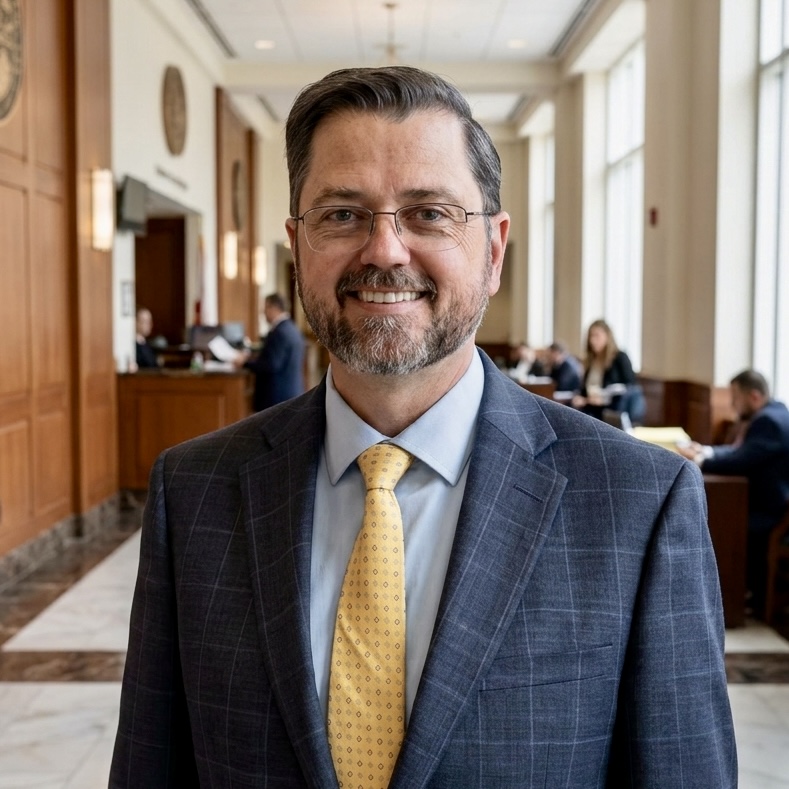
KERESTES
Circuit judges handle foreclosure, probate, civil claims alleging damages greater than $50,000, requests for injunctions, juvenile, and criminal cases which include a potential incarcerative period greater than one year.
County judges handle evictions, civil claims alleging damages of $50,000 or less, traffic, and criminal cases which include a potential incarcerative penalty of no more than a year per count.
I have more experience handling cases in circuit court. The majority of my approximate 200 trials have taken place in circuit court. I have experience dealing with these decisions of great importance. While in private practice, I was frequently hired to help other attorneys by going to court to litigate matters on their and their client’s behalf.
LOU MITCHELL
County court is often called “the people’s court” because it is where many Floridians first interact with the judicial system through traffic, misdemeanor, small claims, eviction, and other lower-value civil disputes. Circuit court is Florida’s highest level of trial court, handling felony criminal cases, major civil litigation, family law, probate, guardianship, juvenile matters, and other complex cases. While I have also handled county court matters, appeals, and cases in federal court, my career has been centered in circuit court, where I have practiced in nearly every division. Because my experience is best aligned with the work of the circuit court, I believe I can best serve the people of Orange and Osceola counties as their next circuit judge.
NIX
I would not measure the importance of a case solely by whether it is a felony or misdemeanor. Circuit court handles offenses that carry the most severe consequences, including lengthy incarceration and lifelong collateral consequences. This court also handles civil disputes greater than $50,000.00. County court primarily handles misdemeanors, which are less serious offenses, such as simple battery, certain thefts, DUI offenses, and other crimes punishable by up to one year in county jail. But every case that comes before a judge represents a person, a victim, a family or a community that can be profoundly affected by the court’s decision. The responsibility of a judge is to recognize the seriousness of each case, protect the rights of everyone involved, and apply the law fairly and consistently. I wanted to make a major difference in my community and thus chose the circuit court, as this court generally has the greatest impact, because felony cases can affect a person’s liberty, family, employment, civil rights, and future opportunities for many years.
PERRY
Circuit courts have broader jurisdiction and generally handle more significant civil, criminal, family, and probate matters, while county courts handle less serious criminal cases and lower-value civil disputes. I am interested in serving the circuit court because, outside of circuit court being my primary area of practice for almost 24 years, I would like to handle cases that have far-reaching impacts and have the potential to set a precedent for fairness and legal accuracy throughout the system.
Where can voters go to learn more about you?
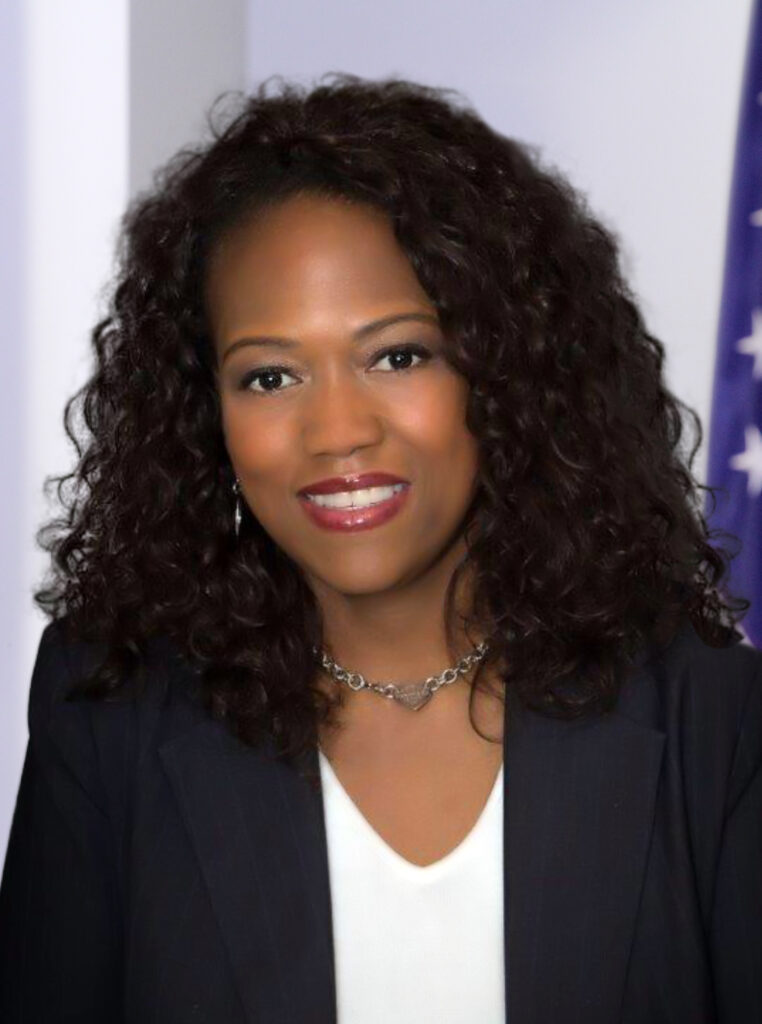
ARGUELLES
To learn more about my qualifications, experience, and campaign, please visit www.ElectChristina4Judge.vote or follow Elect Christina for Judge on Facebook and Instagram.
HAMPTON-JOHNSON
Voters can learn more about my experience, qualifications, community service, and campaign at hamptonjohnson4judge.vote and follow @HamptonJohnson4Judge on social media.
HART
Voters can learn more about my experience, qualifications, and campaign by visiting VoteCharlesHart.com or following “Charles Hart for Judge” on social media.
KERESTES
There’s information that may be found by searching “Steve Kerestes,” but my official website is electkerestes.com. I’ve tried to be an open book.
LOU MITCHELL
Visit MitchellForJudge.com, watch the League of Women Voters candidate forum, and compare the Orlando Sentinel interviews to learn about my qualifications.
NIX
Voters in the ninth circuit (Orange and Osceola counties) can visit the campaign website www.judgenix2026.com. The Orlando Sentinel’s voters guide, Vote411, and The Apopka Chief give voters information beyond the campaign website and socials.
PERRY
Please visit my website at www.kamilahperryforjudge.com and on all social media platforms at @Kamilah Perry for Judge.
Author
Suggested Articles
No related articles found.