

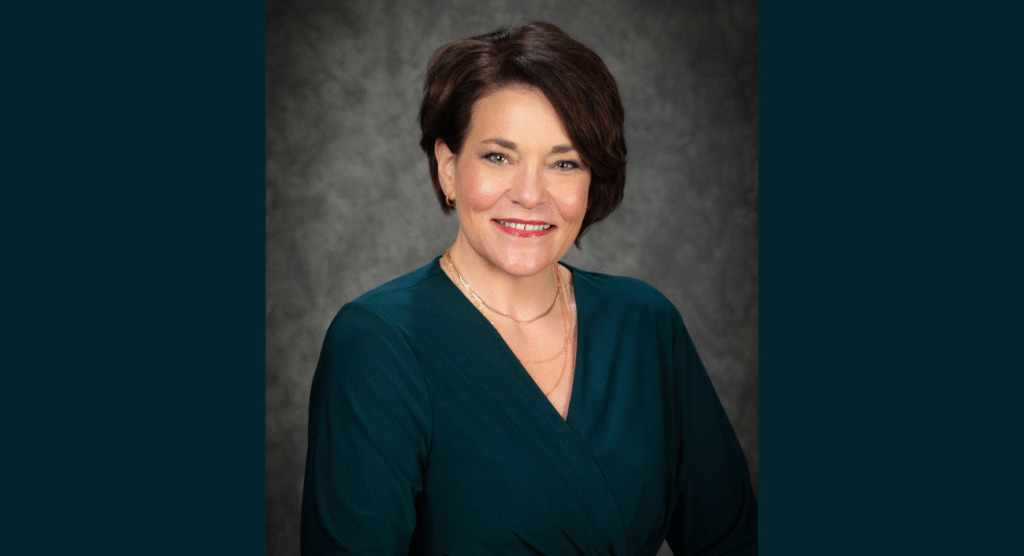
Official photo
Key Points
One of the key parts of being a school board member is to help advocate in Tallahassee for legislation that improves the education we provide. That’s because so much of what we do, from our funding to our curriculum, is controlled by the state government.
As such, last week, I traveled to Tallahassee as part of the Florida School Boards Association’s “Day in the Legislature” annual meeting.
This trip started with a day of bill briefings by FSBA staff and other leaders from around the state, where we reviewed the latest information on education bills that have been filed and got up to date on the education talks currently taking place in the capital.
The next day, we spent the day visiting legislators in both the House and Senate, discussing the bills and advocating for the issues that affect our schools locally.
I had several productive meetings with Representative Doug Bankson and Senators Keith Truenow, Carlos Guillermo Smith and LaVon Bracy Davis. As is usually the case, our meetings centered on funding — although this year, there was an additional request.
The Senate unanimously passed a bipartisan bill correcting many of the funding issues that the expanded school scholarship program has experienced over the last couple of years. The bill, Senate Bill 318, was introduced in response to a 2025 Florida Auditor General report that indicated issues with the tracking of funds in the state’s $4 billion, now-universal, voucher system. The legislation aims to ensure that funds follow the student properly to their chosen school.
The audits found over $270 million in unaccounted funds, potential overpayments for 30,000 students and $47 million sent to students who were actually in public schools. Our local budget was severely affected by this issue this year as we were very late in receiving our state funding while they worked out the scholarship issues.
The House has not yet approved the bill because it is developing its own version, with concerns regarding the separation of voucher funding from the main education budget.
So, our advocacy was to encourage the House to get on board with the plan to separate the scholarship funding from our regular state funding for public schools, so that our budgets are not affected in the future.
We also spoke about electric bike and scooter safety, immigration enforcement issues around schools, and school closures.
Overall, our representatives, as always, were receptive and responsive. I encourage all voters to pay attention to the work being done by our lawmakers during this legislative session and reach out to your representatives to share your stories and concerns. Your voice can make a difference.
Author
Suggested Articles
No related articles found.