




Courtesy of Jake Vest
Key Points
The Winter Olympics can be a tough sell in places like Florida, where the freezing point of blood is 48 degrees and “downhill” is a theoretical thing.
Skiing and ice hockey can hold our attention because we understand going fast and we’ve all had the slobber knocked out of us once or twice. We can relate.
Curling, not so much. A version of shuffleboard, except on ice and not as fast-moving, it involves squatting down on skates, giving a gentle push, chasing a slow-moving teapot with a broom and doing some frantic ice sweeping.
Dads around here don’t do that in the back yards with their kids. There is no Little League.
It’s easy to make fun of, but, then again, have you ever tried to squat down on skates? Do it and then laugh about it.
Speaking of silly, have you ever watched somebody “reading” a putt? This is a professional athlete who also squats in the performance of his sport. He crouches, walks back and forth, and stares intently at a hole in the ground before he tries to roll a ball into it. People in Sandefjord and Haugesund would no doubt find this amusing.
I try to have an open mind, but even I have to admit that the luge is too much. Sliding down an icy ditch, feet first at 95 miles an hour on a sled too small for the job is the athletic equivalent of eating an oyster. Who was the first person who thought this was a good idea?
The public relations problem here is simple. It is hard to appreciate how good somebody is at something we have never tried to do ourselves.
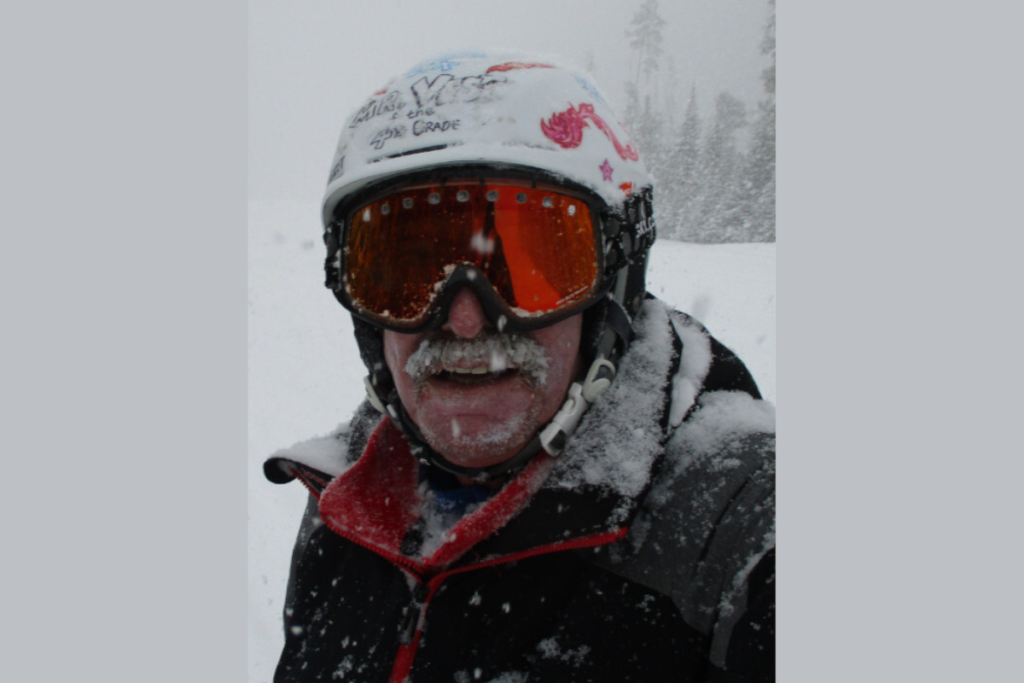
Even skiing, as those Olympic people do it, is beyond our imaginations. I like to think of myself as a pretty good skier for my age. My last trip finished with a double diamond called Runaway Train, I like bumps and trees, and I once won a bronze medal in a race while wearing a parrot suit.
And I’m not even on the same planet.
Any of us human skiers can tell you that ice is bad, dangerous and impossible. Extreme steepness can be as bad as ice.
Once a few decades back, I hit a tiny bit of ice on the Birds of Prey course in Beaver Creek, Colo., went end over end and fell for about a mile, leaving a ski behind. When somebody fetched it for me, it was a 40-minute challenge to get it back on. To get a ski back on, you have to stand up and stomp your heel into the binding while your feet are sliding out from under you.
To simulate this, try to tie your shoe while standing on your living room wall.
It took all morning to work our way down that hill, stopping often to catch a breath and whimper.
Later that week, the World Cup skiers were racing down that same hill. I met a grounds crew member at a bar who told me he had been up on the hill watering down the race course to make it icy.
“They want it as fast as they can get it,” he said casually, as if he had not just admitted to being an accessory to attempted murder.
The experience gave me more of an appreciation for one sport and a better understanding of another.
I can imagine a scene long ago: “We’re going to go ski down another icy cliff. Want to join us?”
“Sorry, I can’t. I need to practice chasing this teapot with a broom.”
Author
Suggested Articles
No related articles found.