



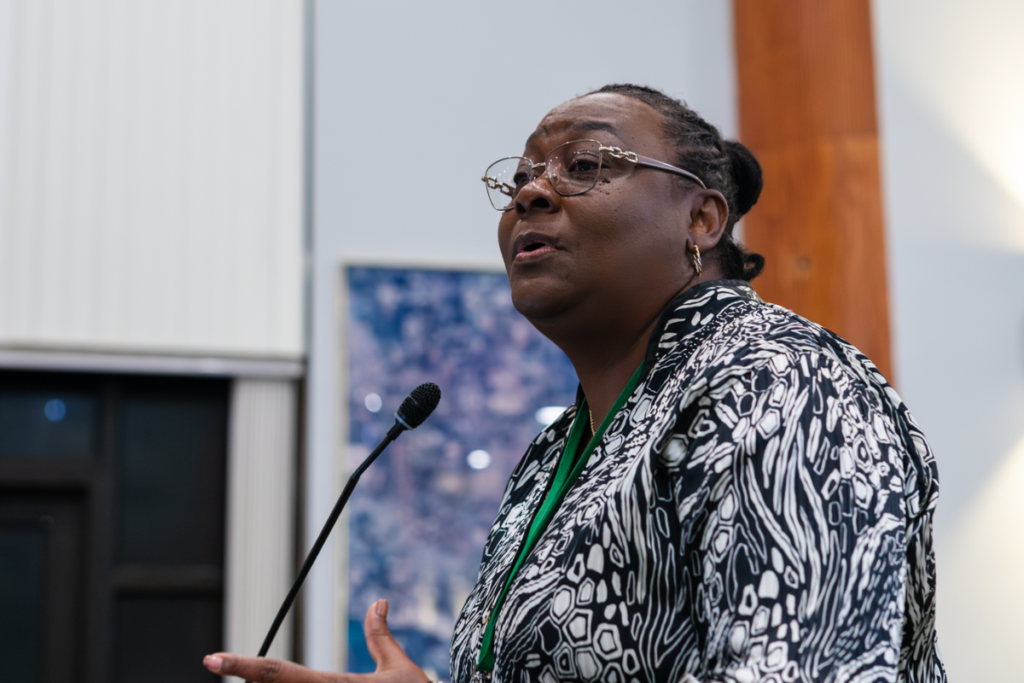
Dana O’Connor
Key Points
- The Apopka City Commission scrutinized proposed spending on nonprofit grants, City Hall renovations, legal services and Camp Wewa Tuesday as they worked through a tentative fiscal year 2027 budget ahea
- The City Commission debated cutting $100,000 for nonprofit grants and $282,500 for community events while proposing $75,000 for City Hall renovations.
- The proposed FY27 budget for Apopka includes $228.9 million in expenditures and $203.9 million in revenues, using about $6 million in reserves.
Apopka city commissioners scrutinized proposed spending on nonprofit grants, City Hall renovations, legal services and Camp Wewa Tuesday as they worked through a tentative fiscal year 2027 budget ahead of their first formal budget hearing Thursday.
The Aug. 21 proposed budget includes about $228.9 million in expenditures and projects about $203.9 million in revenues before the use of reserves. Finance Director Blanche Sherman said the proposed general fund budget would use about $6 million in reserves.
The proposal has changed substantially since July, when city officials were working from a preliminary $287.3 million budget as commissioners considered a higher tentative property tax rate.
No formal action was taken during Tuesday’s workshop. Commissioners instead reviewed department budgets and proposed changes that could be considered when the commission meets Thursday to adopt its tentative millage rate and budget. The workshop agenda called only for an overview and discussion.
Among the most extensive discussions were proposed reductions to community-oriented spending, including $100,000 for a nonprofit grant program, $10,000 in discretionary funding for each commissioner and about $282,500 in listed community events and programs.
Commissioner Nadia Anderson questioned those reductions while pointing to other proposed expenditures, including $75,000 for renovations to the second floor of City Hall and $210,000 for office furniture replacement. She proposed redirecting those expenditures toward restoring nonprofit funding and community events.
“A lot of nonprofits actually depend on that money and have it already budgeted for scholarships and things and senior citizens and stuff,” Anderson said. “So I think we can delay $75,000.”
Mayor Nick Nesta defended the renovation, saying work on the second floor has been delayed for years and postponing it could increase its eventual cost.
“The more we push that out, the more expensive it gets,” Nesta said.
Sherman said Anderson’s recommendations would be brought back for votes at Thursday’s hearing.
Anderson also questioned eliminating the $10,000 in discretionary funding for each commissioner while other expenditures remained in the budget.
The commission also discussed the proposed legal-services budget, which Sherman said retains funding for an in-house city attorney while allocating $475,000 for outside city attorney services.
Anderson questioned whether the city should budget for an in-house attorney before commissioners decide whether to establish an in-house legal department.
“We need to move this city attorney position out the budget until we’re able to properly figure out what that looks like,” Anderson said.
Nesta said retaining the position in the budget gives commissioners flexibility while they determine whether to continue outsourcing legal services or establish an in-house department.
“If we’re going in-house, we definitely can’t do with one,” Nesta said. “That needs to be a more robust in-house counsel department.”
Sherman said a fully staffed legal department would cost more than the city’s current outside counsel arrangement because it would require additional attorneys and support staff.
Commissioners also discussed restoring a risk-management specialist position. Human Resources Director Joe Patton said the city’s existing risk-management employee handles duties including workers’ compensation and insurance coverage for vendors at city events, while other HR employees provide limited backup.
Sherman included a risk-management specialist among the staffing changes to be added back when she reviewed proposed adjustments near the end of the workshop.
Another lengthy discussion centered on the future of Camp Wewa.
Nesta said the city purchased the property for about $4.7 million and spends about $1 million annually to operate it. While programming at the camp performs well financially, he said maintaining the facility continues to draw city resources.
“My goal is to spend time and all my extra time to actually build out an actual marketing and business plan for Camp Wewa,” Nesta said. “But at some point, we need to make a decision on how much money are we going to continue to spend on this?”
Vice Mayor Diane Velazquez described Camp Wewa as “a money pit right now,” but opposed selling the property, citing its value as green space and its potential for greater public use.
“It’s a money pit right now,” Velazquez said. “It’s green space, and we’ll just have to find a way to market it.”
Commissioners Sam Ruth and Yesenia Baron also expressed support for retaining the property while exploring ways to increase its use and revenue. The tentative revenue budget projects $163,271 in Camp Wewa activity fees for FY27.
The spending discussions come after commissioners voted 4-1 on July 30 to set a proposed operating millage rate of 4.6761 mills, with Anderson opposed. The rate is 10% above the rollback rate of 4.2510 mills.
The 4.6761-mill rate also represents a 0.2385-mill increase from the city’s current 4.4376-mill operating rate. The tentative rate establishes the maximum the city can adopt without restarting the state’s Truth in Millage notification process.
The commission will hold its tentative budget hearing at 5:15 p.m. Thursday, Sept. 3, at the Apopka Community Center, 519 S. Central Ave. The final budget hearing is scheduled for 5:15 p.m. Sept. 16 in the City Hall Commission Chambers, where the final budget and millage rate are scheduled for adoption.
The new fiscal year begins Oct. 1.
Author
Suggested Articles
No related articles found.