



Teresa Sargeant
Key Points
- The Apopka City Commission unanimously approved a $30,000 settlement for 718 S. Park Ave after rejecting the initial $5.6 million fine proposal in October.
- City officials are reviewing the settlement policy to clarify residential definitions and shorten enforcement timeframes, with revisions expected to return to the commission for consideration.
- Vice Mayor Diane Velazquez criticized the 3,299-day enforcement duration and plans to keep monitoring the property while pushing to shorten future code enforcement timelines.
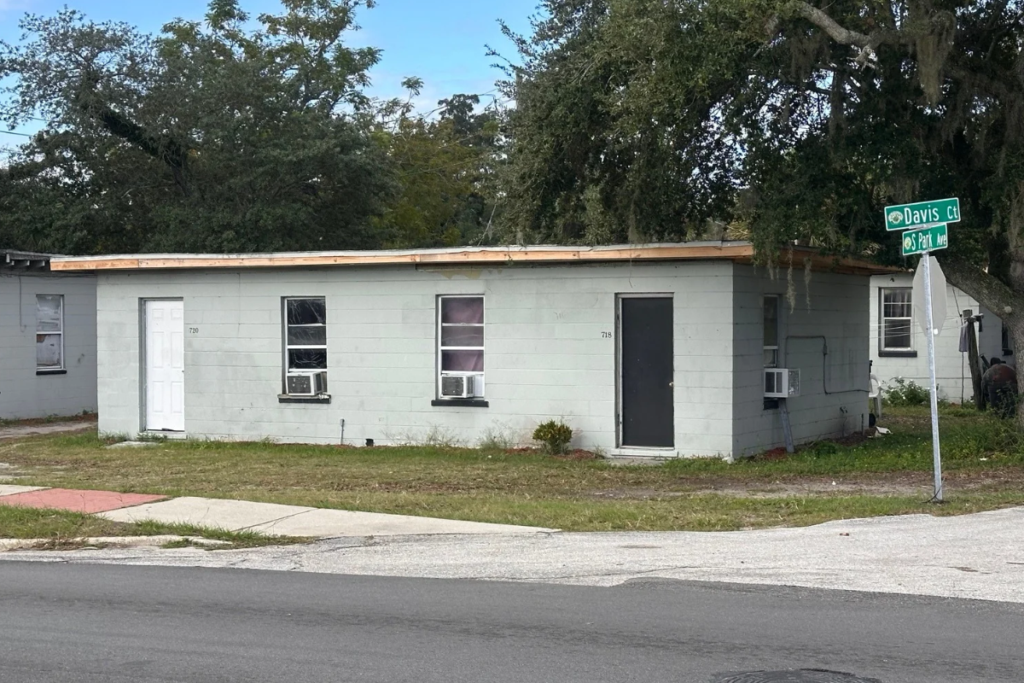
The Apopka City Commission unanimously approved a $30,000 code enforcement settlement for 718 S. Park Ave. on Wednesday, reversing its October decision to reject the agreement involving more than $5.6 million in accumulated fines.
At its Oct. 7 meeting, the commission unanimously rejected the proposed settlement after questioning why the property owner had taken years to correct violations dating back to 2018. The city had initiated foreclosure proceedings before the property was brought into compliance.
Vice Mayor Diane Velazquez, who raised concerns about the settlement in October, said the length of the case remained her primary concern on Wednesday.
“The only thing that I had a concern with, and I did express that to an attorney, I expressed that to [city building official] John Hanson, is that we should not allow code enforcement to go as long as this one did, which was 3,299 days,” she said.
Velazquez said she had visited the property twice and observed that outdoor garbage and some abandoned vehicles had been removed. However, she said she still considered the units to be in poor condition.
“But my understanding [is] that the owner of those units complied with what code enforcement had asked them to do,” she said.
Mayor Nick Nesta defended the city’s settlement policy, explaining that its purpose is to encourage property owners to correct violations rather than generate revenue through fines.
“We want compliance more than we want money,” Nesta said.
Nesta said the city’s policy establishes settlement percentages of 5% for residential properties and 10% for rental properties. He argued that changing the settlement terms after the owner had complied could create problems.
Nesta also emphasized that city code enforcement officers address exterior property conditions, not the interiors of residential units.
During public comment, residents questioned why the settlement returned for approval after its October rejection. They also raised concerns about transparency and whether property owners facing enforcement actions receive consistent treatment.
City officials said they are reviewing the settlement policy to clarify the definition of residential real estate and the use of Orange County Property Appraiser market values in calculating settlements.
Velazquez also called for shortening the time allowed for enforcement cases, a change Nesta said could be incorporated into the policy revisions that will return to the commission for consideration.
Velazquez said she intends to continue monitoring the South Park Avenue property to ensure it remains in compliance.