



REY VILLAVICENCIO
Key Points
- Apopka officials drafted new appointment policies requiring applicants for Planning Commission and CRA boards to live in Apopka and submit résumés and disclosures.
- The draft policies prefer CRA candidates with business or community experience and Planning Commission candidates with technical expertise such as environmental knowledge.
- Public concerns focused on enforcing residency, attendance standards, and the timing of these policy changes after recent contentious appointments.
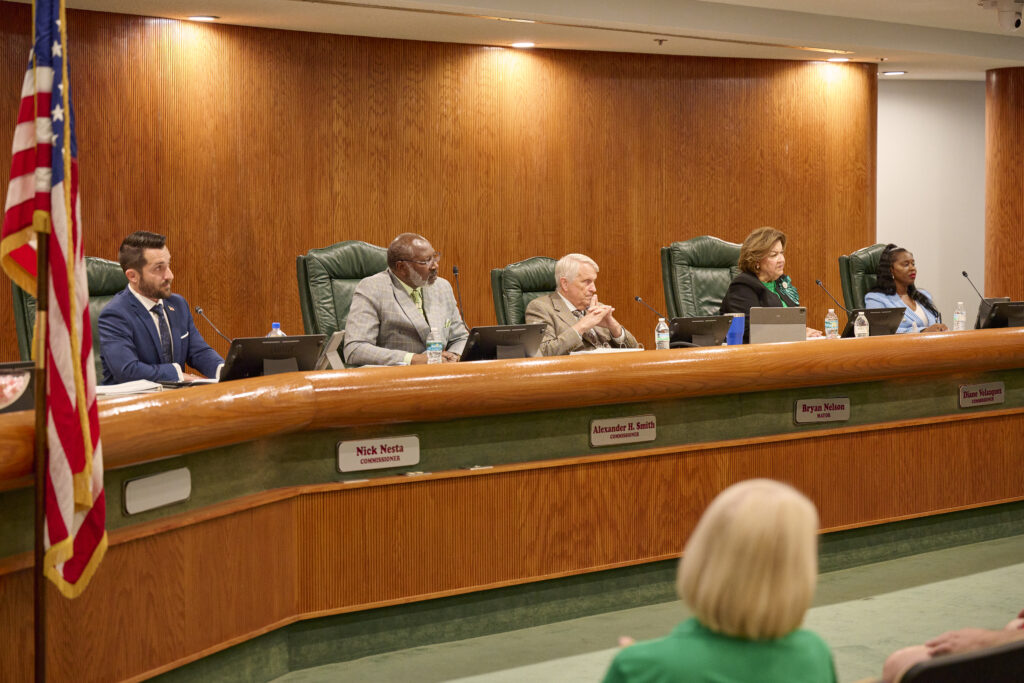
As Apopka officials moved to write new rules for how members are appointed to the Planning Commission and Community Redevelopment Agency (CRA) board, residents pressed them on why the changes are coming now and how residency, qualifications and attendance standards would be enforced.
The City Commission did not take a formal vote at the April 1 City Commission meeting but directed staff to incorporate feedback and return with draft ordinances for both boards, which play key roles in land use decisions and redevelopment planning.
The draft policies were prepared at the commission’s request following a prior meeting and are meant to establish a clear framework moving forward.
“This policy establishes a consistent, transparent process for appointing members,” interim City Administrator Radley Williams told the commission, adding that staff is seeking direction on any changes before bringing back a formal ordinance.
Under the drafts, applicants would be required to live within Apopka and submit materials including a résumé and conflict-of-interest disclosure. Vacancies would be publicly advertised through the city’s website, social media and other channels, and staff would review applications and present qualified candidates to the City Commission for final appointment.
The CRA draft includes preferences for candidates with business, development or community leadership experience. The Planning Commission version is framed around professional and technical expertise and would give preference to applicants with relevant backgrounds, including potential environmental or wetlands knowledge.
Vice Mayor Diane Velazquez raised concerns about attendance and participation, citing past issues with board members not regularly showing up.
Velazquez, who along with Mayor Bryan Nelson had requested the new appointment policies, spent much of the discussion asking for changes to term lengths, qualifications and attendance expectations.
Williams said the draft does not set strict attendance limits but includes performance and attendance as factors during reappointment.
“There’s a note here [that] consideration of reappointment performance and attendance are reviewed before reappointment consideration,” he said.
Public comment focused largely on the timing and implementation of the proposed changes.
Resident Albert McKimmie urged the commission to clearly define how residency requirements would be enforced.
“If we’re going to have a policy that we’re going to verify residency, let’s apply across the board, let’s apply it to all commissioners when they apply, because that’s something that needs to be done, and it needs to be stipulated how we’re going to verify residency,” McKimmie said.
Another speaker, Sylvester Hall, questioned why the policies are being introduced at this stage.
“Why is it such a great thing for you to do on your way out, when it should have been done on day one, when you came in?” Hall asked.
Others emphasized the need for broader and more open recruitment. Resident Rob Olsen said positions should be widely advertised and based on both expertise and interest.
“You want to have someone have interest,” Olsen said. “All these positions have just stood in the past and said they need to be posted, that people need to have the opportunity to express their interest and to be considered.”
The appointment policy discussion ties back to when the City Commission voted 3-2 on March 18 to approve Nelson’s appointment of Malika Harrison to the Planning Commission.
Harrison, who recently ran for City Commission Seat 4 in the March 10 election, replaces Howard Washington, who resigned March 13 due to health reasons, according to an email to the mayor.
The appointment drew pushback from City Commissioners Nick Nesta and Velazquez – who were the dissenting votes – as well as several residents, who raised concerns about timing, transparency and the broader appointment process.