



Teresa Sargeant
Key Points
- Early Black families from southern states settled in Apopka to work in farms, sawmills and citrus groves, establishing lasting neighborhoods and churches.
- The 1937 Apopka ordinance segregated residential areas by race until its repeal in 1968, shaping South Apopka's community boundaries.
- South Apopka grew into a close-knit community with families, churches, schools, and businesses despite segregation policies lasting over 30 years.
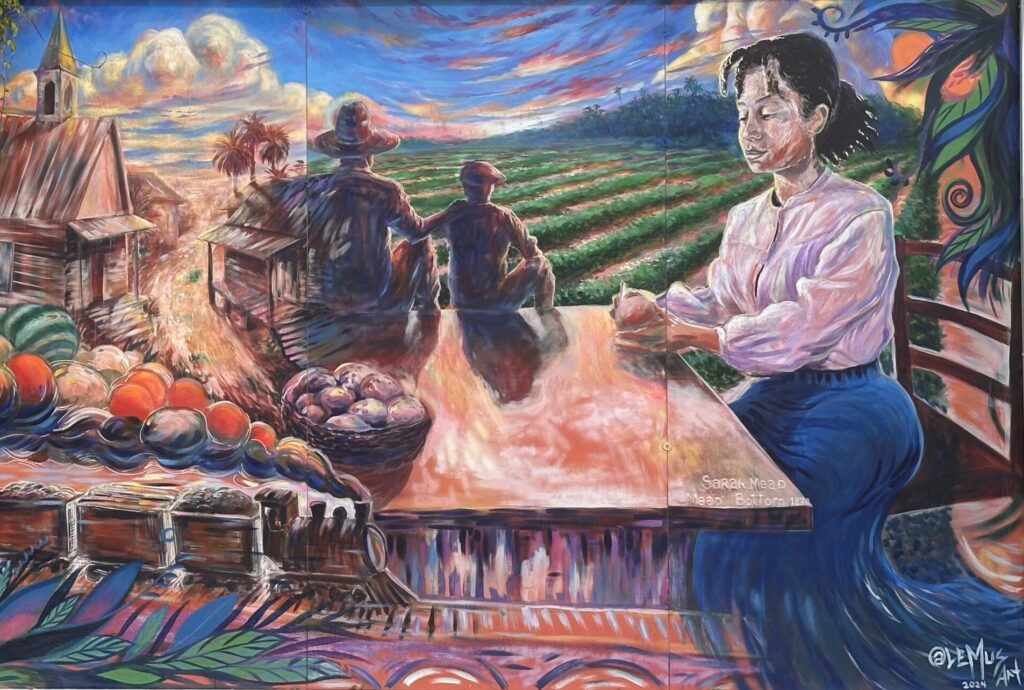
One of the earliest Black settlements in the Apopka area was Mead’s Bottom, established by Sarah Mead, a formerly enslaved woman from Georgia.
Mead acquired land, established a home and commissary, and helped create a community that attracted other Black families moving to Northwest Orange County to work in the region’s farms, sawmills and citrus groves.
Historical accounts by local historian Perrine Slim describe Black families arriving from Georgia, the Carolinas and Alabama during the late 1800s, many traveling Florida’s waterways before railroads expanded through the region. As agriculture and the timber industry grew, those families established churches, businesses and neighborhoods that became lasting parts of the Apopka area.
In “History of Apopka and Northwest Orange County, Florida,” historian Jerrell H. Shofner wrote that Apopka’s Black community remained centered in Mead’s Bottom — located near the present-day interchange of S.R. 436 and U.S. Highway 441 — until about 1920, when it moved to its present location. Today, South Apopka is one of Northwest Orange County’s most historically significant Black communities.
“South Apopka is where Black history resides for Northwest Orange County,” said Maribel Brinkle, president of the Apopka Historical Society. “It’s a very unique community. It contributed so much to the history of this town.”
As Apopka continued to develop, South Apopka’s history was shaped by segregation.
On July 12, 1937, the Apopka City Council adopted an ordinance establishing separate residential areas for white and Black residents. The ordinance prohibited white residents from living south of the Seaboard Air Line Railroad tracks within the city limits and prohibited Black residents from living north of the tracks. Violations carried fines up to $500, 60 days in jail, or both.
The ordinance remained part of the city’s code for more than 30 years before it was repealed on March 9, 1968.
In the shadow of the ordinance, South Apopka grew into a close-knit community centered on families, churches, schools and local businesses. Slim’s research also credits residents such as Henry Terrell, Ella Walls, Rosa Barnes and real estate entrepreneur L.T. Hunt with helping Black families purchase land, build homes and establish businesses during the early 20th century.
Brinkle said the area’s history extends beyond the boundaries that later separated the community from the city.
“We seem to forget that Black people came from southern states like Georgia to work on the farms around here,” she said. “South Apopka has become a community within a city. We call it South Apopka, but it’s really Apopka.”
Today, reminders of that history can still be found throughout the community, from descendants of its earliest families to churches and neighborhoods with roots stretching back more than a century.
Author
Suggested Articles
No related articles found.