


Marshall Tempest
Key Points
- Hurricane Milton in 2024 severely damaged the Border Lake Drainage Basin, highlighting longstanding flooding issues in Apopka's closed basin area.
- Mayor Bryan Nelson secured $6.25 million in grants to redirect floodwater from Border Lake to a wastewater plant for treatment and reclaimed water use.
- Commissioner Nick Nesta prioritizes collaboration with agencies and long-term infrastructure evaluation to mitigate flooding and secure funding for Apopka.
The Apopka Chief and WESH 2 News organized a mayoral debate on Feb. 3, when all three candidates addressed their visions for the city. The 90-minute format did not allow for question on every key issue, so each week leading up to the March 10 election, the Chief will run a Q&A addressing different issues.
Last week, the candidates addressed the charter amendment that would establish a public comment period before “decision” items on city council agendas. This week’s question is as follows:
Over the last several years, flooding has intensified at Border Lake and other nearby lakes. How would you address this issue as mayor?
Answers are presented in alphabetical order.
Christine Moore, Orange County commissioner
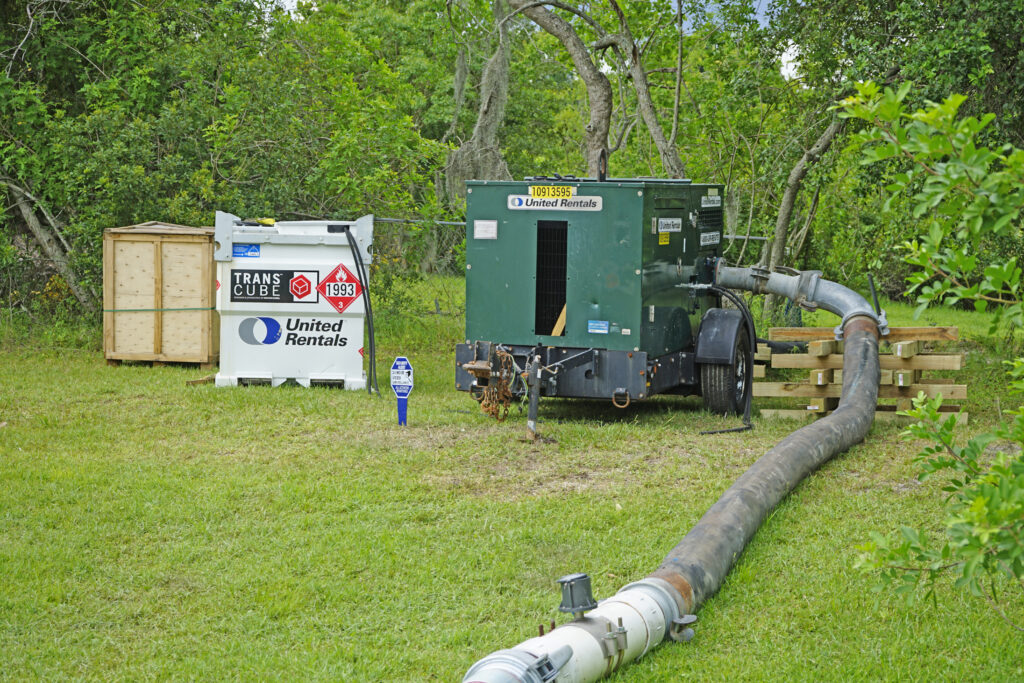
Hurricane Milton ravaged the Border Lake Drainage Basin in 2024. I remember being up half the night surveying damage to the shopping center, Wekiva Townhomes, and Piedmont Wekiva Road. This area is a closed basin, meaning the water doesn’t flow out to the Wekiva. City leadership knew about this problem since Hurricane Ian.
Nevertheless, I took action and alerted Orange County Emergency Management to advocate for a “tiger dam” in the townhome community. Their safety was paramount.
A bit of history: the state permitted a drain well decades ago to compensate for extra water during hard rains and hurricanes. Unfortunately, the drain well was paved over during the widening of SR 436.
Responsibility for a long-term remedy resides with the city of Apopka. Instead of leading, however, leadership blamed and delayed. So, again, I engaged Orange County engineers to find a short-term solution for the city. An incredible idea arose from them to pump the lake down through the Piedmont chain into the Lake Page drain well. The St. Johns River Water Management District (SJRWMD) agreed, and the county located vendors. The city simply needed to seek permission from owners and monitor the pumps.
When all was done, Mayor Nelson called a celebratory press conference, inviting no one from Orange County or SJRWMD. Additionally, Nelson continues misstating the county’s responsibility, causing harm to the relationship.
It is good Mayor Nelson received state grant money, yet no construction has taken place. I believe the solution to Border Lake flooding should be collaborative and expeditious.
Bryan Nelson, mayor
Let’s start at the beginning. The original flow of excess water from Border Lake would normally flow from Border Lake to Lake Cortez by way of stormwater pipes underneath Highway 436. Orange County kept this from happening by placing sandbags on top of the storm drains to prevent three homes on Lake Cortez from flooding. I have secured two grants in the amount of $6.25 million to alleviate the flooding of Border, Page, Blue, Piedmont and Jackson. This innovative approach will send the water to our Cleveland Wastewater Plant for processing into reclaimed water.
I have also contacted the two property owners at Border Lake about donating a half-acre property for the pumping station. With the help of one of our other partners, we can pump the excess water down the existing pipeline to Cleveland Street. We are also in the process of adding additional water storage at Cleveland to better manage inflows and outflows of reclaimed water.
Although the $6.25 million grant should complete the project, any additional monies should be broken out, with 40% being paid for by Apopka, 40% by Orange County and 20% by Seminole County, which is the pro-rata share of the Border/Cortez watershed.
Nick Nesta, city commissioner
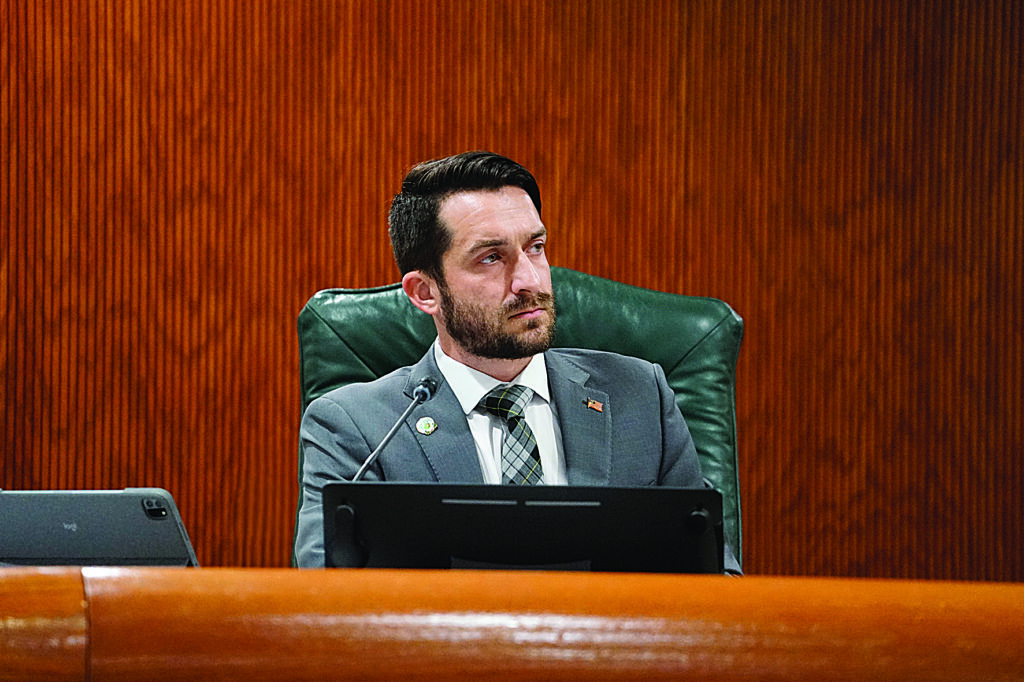
Flooding around Border Lake and nearby areas has become a serious concern for residents. It’s an issue that requires both immediate attention and long-term planning. As mayor, my priority would be to work with city staff, engineers, and water management agencies to fully evaluate drainage capacity, stormwater systems, and how recent development and rainfall patterns are impacting water levels.
We must make sure existing infrastructure is functioning as designed while identifying improvements that reduce flooding risks for homeowners. That includes reviewing stormwater maintenance schedules, improving water flow where possible, and ensuring futuredevelopment does not worsen existing conditions.
At the same time, this is not an issue the city can solve alone. Flooding tied to regional waterways and environmental conditions often requires coordination and funding at the state and federal levels. I would actively pursue partnerships and grant opportunities through agencies such as the St. Johns River Water Management District, FEMA and state infrastructure programs to secure additional resources for mitigation projects.
Residents deserve transparency throughout this process and a clear plan moving forward. Protecting homes, property, and quality of life must be a priority. Addressing flooding proactively is part of responsible leadership and planning for Apopka’s future.
Author
Suggested Articles
No related articles found.