



Teresa Sargeant
Key Points
- Habitat for Humanity bought the failed 24-unit affordable townhome project at 350 E. Sixth St. in Apopka to revive the development.
- Habitat must raise about $3 million beyond home sale proceeds and cannot reduce units to keep the project financially viable.
- City staff identified comments delaying approval, but the project meets density limits and may gain approval after resolving issues.
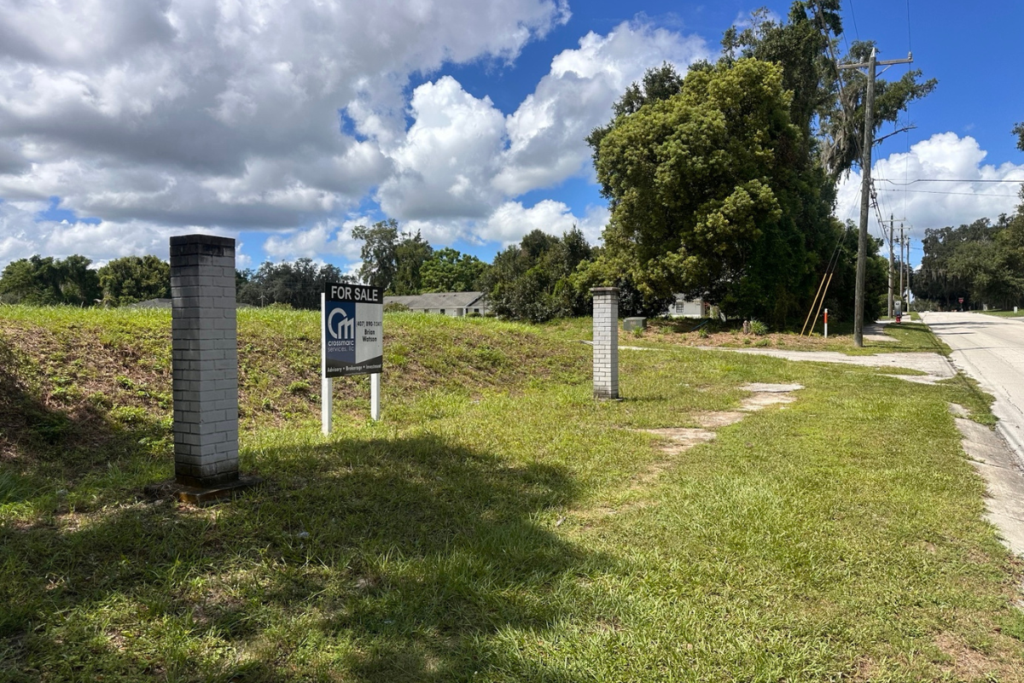
A failed 24-unit affordable housing development in downtown Apopka is getting a second chance under Habitat for Humanity, but the nonprofit warned city staff Wednesday that additional costs could jeopardize the project.
The application concerns the former Cornerstone at Sixth site at 350 E. Sixth St., where Hannibal Square Community Land Trust previously planned an estimated $8.1 million development consisting of 24 affordable townhomes.
“Last month, Habitat for Humanity bought this property, and if you’re aware of the history of the property, another not-for-profit owned it and tried to develop these townhomes and didn’t have the financial wherewithal to make it happen,” Ed Schrank, Habitat for Humanity Seminole-Apopka’s chief construction officer, told the Development Review Committee.
Orange County terminated its developer’s agreement with Hannibal Square Community Land Trust after the nonprofit encountered financial problems and failed to make sufficient progress on the project.
Orange County Property Appraiser records identify Habitat for Humanity Seminole-Apopka as the owner of parcels within the proposed development.
Habitat is trying to move forward with substantially the same 24-unit plan under the name Apopka Townhomes. The construction documents describe the July application as a submission for “re-permit” and contain plans dating from the earlier development.
Schrank said Habitat was assured during its due diligence that, subject to city code changes made since the previous approvals, the project could proceed largely as designed.
However, city staff identified outstanding comments that must be resolved before the construction site plan can be approved. Planning and zoning manager Bobby Howell said the density appeared to comply with the property’s allowance of 10 units per acre and characterized some of the other comments as procedural or cleanup matters.
Schrank told the committee that Habitat cannot afford to lose any of the project’s 24 units and still make the development financially feasible. Habitat must raise about $3 million beyond the anticipated proceeds from selling the homes, he said.
“A private developer couldn’t make this project work as designed, but we can and we will,” Schrank said.
He asked staff to distinguish between changes required by city code and improvements that might be desirable but are not mandatory.
“If it’s a want-to-have as opposed to a must-have, we ask that you look back to what was approved two years ago and don’t let perfect be the enemy of good in this thing,” Schrank said. “We’re on the edge financially, and if our cost increases a little too much, we’re going to have to sell the property and not develop it.”
“We may not be able to make it perfect,” he added. “Let’s try for good. Twenty-four affordable houses is a good thing.”
Howell offered to meet separately with the project team to work through the remaining comments.
“We definitely want to help you get this project built,” Howell said. “This is a good thing for the city.”
The DRC recommended denial at this stage because comments remain outstanding. Howell said the 24-unit development does not require public hearings and can receive approval at the DRC level once the outstanding issues are resolved.
Author
Suggested Articles
No related articles found.