


Vinnie Cammarano
Key Points
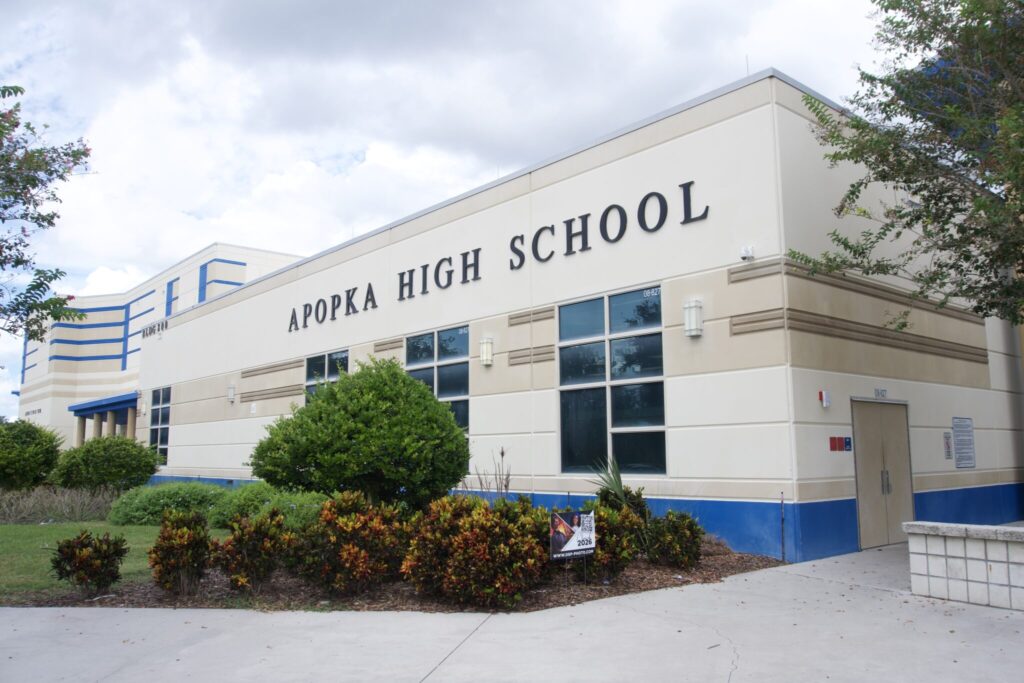
The Apopka High School Medical Careers Magnet program will send two student teams to the 25/26 OCPS Biomedical Challenge on Feb. 24 at the AdventHealth Nicholson Center.
“Competitors will be tasked with developing a Community Awareness Campaign Portfolio to educate their own community about one health and/or safety-related issue of local, state, and/or national interest,” the challenge guidelines said. “The team will present their community campaign to a panel of judges, sharing a portfolio of their research and their community awareness outreach plan or accomplishments.”
According to magnet instructor Kristy Connor, 10 schools will compete in this year’s competition, selecting from 10 challenge topics. Apopka High students Thomas Perez, Yamin Simjee and Cristian Medina chose the topic “Wearable Health Tech & Remote Monitoring.” Students Dilion Falloon, Jezabel Colon and Makayla Smith chose “Misinformation & Public Health Communication.”
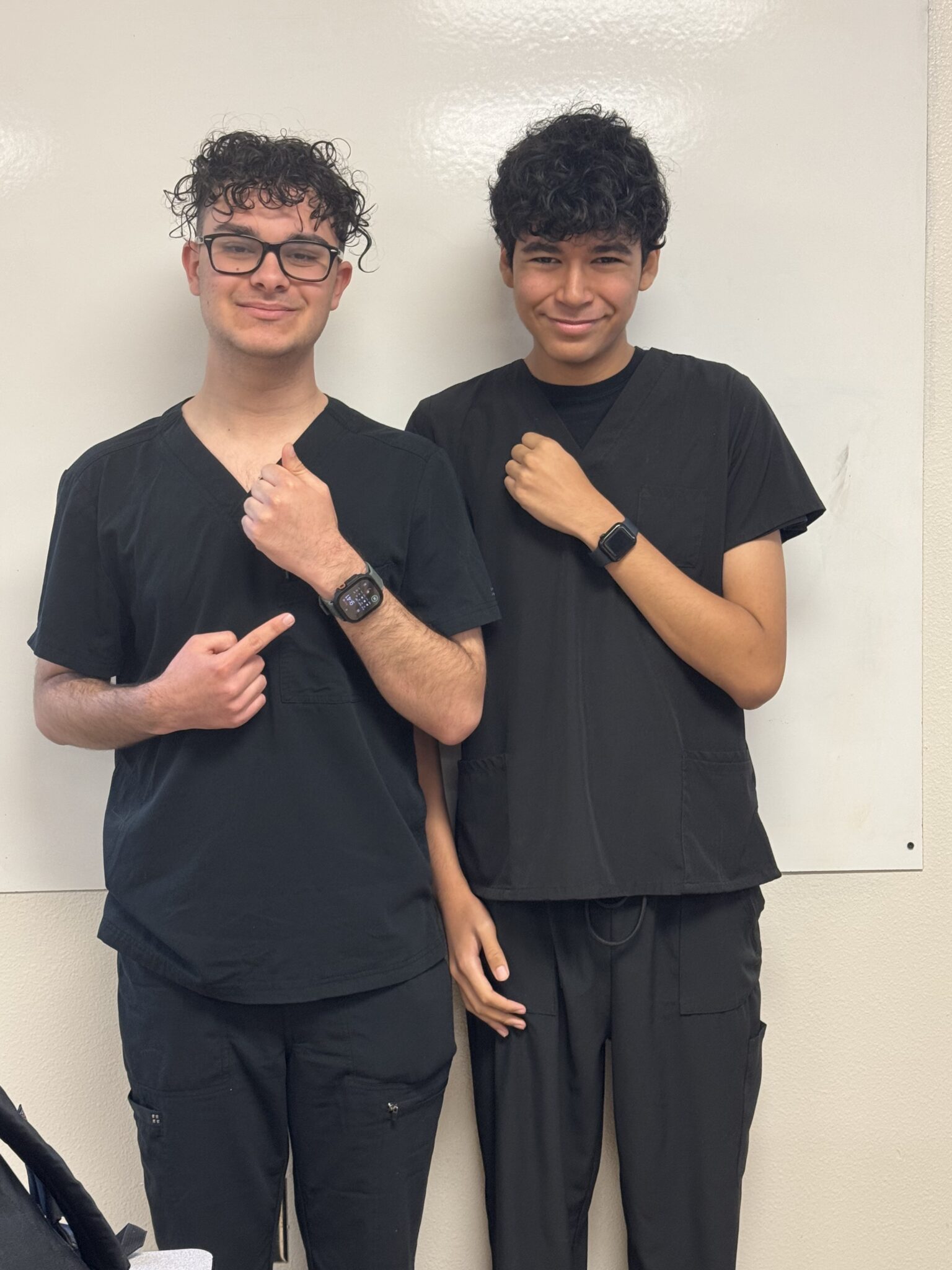
Junior Thomas Perez said his team is promoting the health benefits of smartwatches. Although smartwatches can cost hundreds of dollars, Perez said the watches help reduce medical bills. His team’s campaign website, medwear.info, cites studies noting a 38% reduction in ER visits and an average of $3,200 saved per patient per year due to wearable medical devices.
Perez aspires to be a critical care physician after he finishes the medical magnet program, citing his own health background as his inspiration.
“I was misdiagnosed with an improper disease,” Perez said. “I’ve gone through a horrendous medical journey.”
Perez shared the story of his misdiagnosis in his essay for the United States District Court-Middle District of Florida, Orlando Division’s 2025 High School Essay Contest. On March 2, 2025, Perez collapsed and started experiencing fainting and seizure spells in the days afterward.
“March 31st was another big day for me,” Perez wrote in his essay. “My family went out to dinner, and as we were leaving, I passed out, but this time it was different.”
Perez was admitted to the pediatric intensive care unit (ICU), where he was diagnosed with Functional Neurological Disorder (FND).
“This is a neuro-psychiatric disorder that is not fully understood, but it is believed to be caused by stress, anxiety, and previous trauma,” he said. “My mother refused to accept this. She pushed for more testing, arguing with doctors who wanted to stop searching, but I would always get the same diagnosis: Functional Neurological Disorder (FND).”
Eventually, a specialist and a rheumatologist discovered the correct diagnosis for Perez’s symptoms.
“They discovered the real issue: Sjögren’s syndrome, a rare autoimmune disease causing mitochondrial dysfunction,” he said. “Once treated, my episodes stopped completely.”
Perez credits his mother’s determination to be his biggest advocate as the reason he is alive today.
“Without my mother, I wouldn’t have seen Dr. Reddy, I wouldn’t have been diagnosed, and, like Dr. Ben said, by the time the correct diagnoses would have been made, it would be too late, as the Sjögren’s would have attacked and destroyed many organ systems in my body,” Perez said. “Children especially need parents willing to fight for them. Advocacy saved my life.”
Perez’s passion helps his team pursue each of the topic’s three criteria as outlined in the competition guidelines: explore devices like smartwatches, glucose monitors, and ECG patches; address privacy concerns and data accuracy myths; and demonstrate how wearables empower patients and reduce hospital visits. The team’s Instagram page can be found under the handle @medwear_apk.
The Misinformation and Public Health Communication topic requires the other Apopka High team to investigate how false or misleading health information spreads; clarify common myths; showcase strategies communities can use to fact-check, improve health literacy, and build trust in science; and promote campaigns that empower people to distinguish between credible and non-credible sources.
Author
Suggested Articles
No related articles found.